
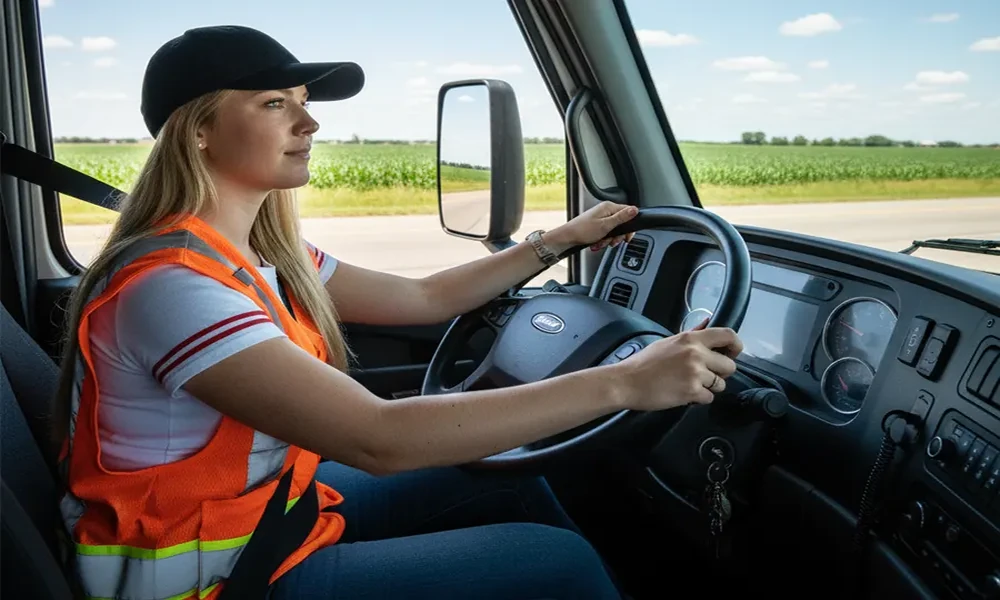

A career in commercial driving isn’t just about sitting behind the wheel. The right trucking course can set the stage for job security, excellent pay, and the freedom of the open road, but picking the best path requires knowing how the industry is evolving and what top schools can offer.
The Rise of the Trucking Industry and Career Demand
Trucking touches nearly every product in the American economy. As e-commerce booms and supply chains stretch across longer distances, freight demand has never been higher. According to recent data, the shortage of qualified truck drivers is expected to grow over the next decade, creating new opportunities for those considering a commercial driving career.
The Growing Need for Qualified Truck Drivers
Industry associations project that tens of thousands of new drivers will be needed annually just to meet current shipping demands. Companies are actively competing for new talent, with many students receiving job offers before they even finish training.
How the Trucking Shortage Opens Opportunities
A nationwide shortage means companies are boosting salaries, benefits, and incentives to attract new drivers. Those with proper training and licensing can jump straight into well-paid positions with advancement potential.
Salary and Career Outlook for Commercial Drivers
Entry-level truckers can expect to make over $80,000 annually once they’ve completed accredited training and earned their CDL. For career changers or those fresh out of school, the outlook is clearly promising.
Understanding Commercial Driving Licenses (CDL)
Choosing the right course starts with understanding the difference between license types and what’s required for each.
Differences Between Class A and Class B Licenses
– Class A CDL: Allows operation of vehicles with a combined weight over 26,000 pounds, typically tractor-trailers and long-haul trucks.
– Class B CDL: Covers single vehicles over 26,000 pounds, including dump trucks, buses, and delivery trucks.
Key Endorsements and Restrictions Explained
Depending on your goals, you might need additional endorsements (like HAZMAT or passenger), each with its own testing process. Restrictions may apply based on vehicle type, transmission, or air brakes.
Why CDL Training Is Essential Before Taking the Test
Formal training is more than just learning to drive. It covers federal and state regulations, safety protocols, trip planning, and hands-on practice with real equipment, all designed to prepare you for both the written and road tests.
Early Commercial Driving Training: Traditional Models
In the past, most commercial driving schools offered a one-size-fits-all approach, often structured as multi-week programs with large classes and fixed schedules.
Typical Length and Curriculum of Standard CDL Courses
Traditional courses span from three to four weeks, blending classroom time with limited on-the-road practice. The focus is often on meeting state minimums rather than personalizing the experience.
Strengths and Limitations of Conventional Trucking Schools
While these schools provide foundational skills, students sometimes graduate without enough real-world practice or individualized coaching, making the transition to full-time driving more challenging.
Common Challenges New Drivers Face in Early Training
Many new drivers struggle with nerves, unfamiliar equipment, and the logistical maze of DMV testing. Without targeted support, these issues can slow down progress and impact test results.
Modern Trucking Courses: Flexibility and Specialization
Today’s top programs offer a range of options to match different learning needs and schedules.
Accelerated vs. Standard Training Programs
Some schools now feature accelerated three-week programs that put students behind the wheel faster, focusing on practical skills over classroom lectures.
Refresher Courses for Experienced Drivers
Shorter, skills-focused courses help those returning to the industry, ensuring they’re ready for testing or refreshed on current best practices.
Weekend and Part-Time CDL Training Options
Modern schools recognize that not everyone can commit to weekday classes. Weekend and evening programs cater to career changers and working adults, removing a major barrier to entry.
What to Look for in a Top Trucking School Today
Not all trucking schools are equal. A standout program will offer more than just the basics.
– Licensed third-party testing, allowing students to bypass DMV bottlenecks
– Highly experienced instructors with actual over-the-road backgrounds
– Small class sizes for more hands-on learning
– Lifetime job placement services
One example, DTR School of Trucking, offers these features alongside a stellar first-time pass rate and a dedicated placement department that helps most students land offers before graduating.
The Role of Technology and Support Services
Sophisticated training now extends beyond the classroom.
Online Scheduling and Mobile Apps for Training Convenience
The best schools support easy online registration, self-service scheduling, and mobile apps for lesson management.
Secured Truck Parking and Facility Amenities Impacting Training
Premium amenities such as secured parking, on-site restrooms, and prime locations make the training experience smoother and more comfortable, especially for those who commute.
How Modern Schools Adapt to Students’ Needs and Schedules
Flexible start dates, multiple course options, and responsive support teams mean students get the guidance they need, when they need it.
Career Launch and Beyond: What Happens After Training
The benefits of strong training last far beyond passing the CDL exam.
Realities of Job Offers During and After CDL Courses
Placement services help students connect with local and national employers even before graduation, ensuring a quick transition into the workforce.
Navigating Your First Trucking Job and Building Experience
First jobs build confidence and experience. Many drivers advance quickly to more specialized or higher-paying roles.
Continuing Education and Licensing Upgrades Over Time
Ongoing learning, endorsements, and potential upgrades from Class B to Class A licenses help drivers stay competitive and open new career paths.
Looking Ahead: The Future of Trucking Education and Careers
As the industry evolves, so too will the demands on new and veteran drivers.
– Training programs are increasingly emphasizing sustainability and advanced safety.
– New technology and logistics tools are shaping what drivers need to know.
– Lifelong learning and adaptability are becoming the keys to long-term success.
Choosing the best trucking course today means looking for a program that combines strong fundamentals with personalized support and a finger on the pulse of the industry’s future. The right school can open the door to a lifetime of opportunity on the road.