

Physical literacy is becoming a bigger talking point in the UK. More teachers, coaches, and parents are noticing the same issue. Many children find basic movement harder than it should be. Running looks less coordinated. Balance seems weaker. Some children avoid activities that require body control, such as climbing frames, bikes, or team sports. This is not about effort or attitude. It is often about exposure and practice. When children do not build movement skills early, confidence drops and they move less. That gap can grow quickly.
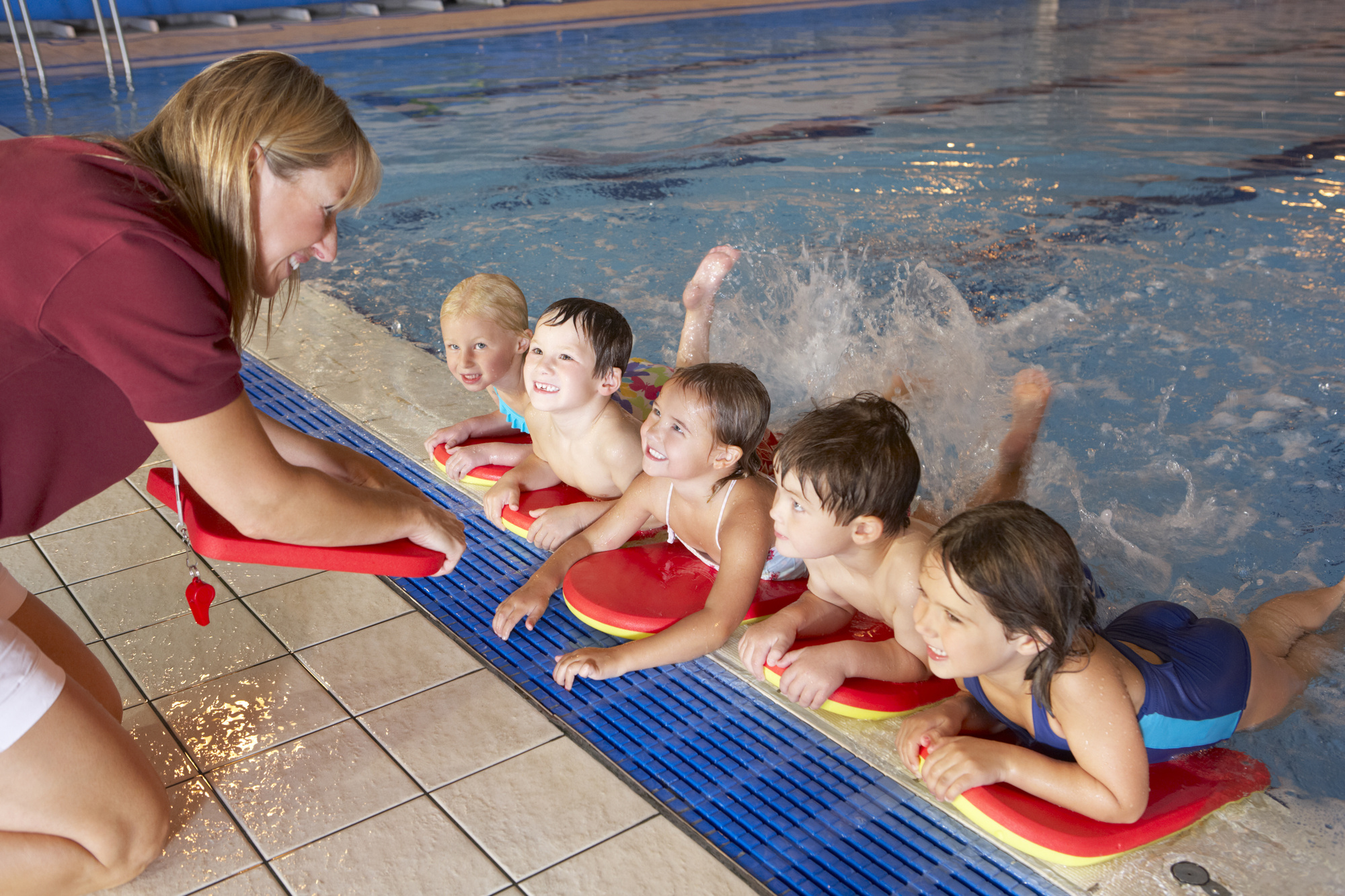
Swimming is one of the most effective ways to support physical literacy in a calm and structured setting. In water, children develop balance, coordination, and body awareness without impact on joints. They also build confidence in an environment that feels new and challenging, which improves resilience. Over many years observing children learn in pools, I have seen how early swimming lessons can help children move better on land too. If you are exploring swimming lessons near me, a good starting point is swimming lessons near me because it outlines a structured approach that puts confidence and skill foundations first.
What physical literacy means in simple terms
Physical literacy is not about being sporty. It is the ability to move with confidence in different environments. It includes basic skills such as balance, posture, coordination, and awareness of where your body is in space. When children have these skills, they try more activities. When they try more activities, they develop even faster.
A physically literate child tends to feel comfortable with:
- Moving at different speeds
- Changing direction smoothly
- Balancing on one leg
- Controlling breathing during activity
- Learning new movement tasks
Swimming supports many of these skills in one place. Water provides resistance, support, and feedback that children can feel straight away.
Why early years matter for movement development
The early years are when children build movement patterns that stick. These patterns form through play, sport, and repeated experiences. When children spend less time in active play, they miss chances to practise these patterns.
Swimming lessons provide a consistent setting for movement learning. Sessions are guided. The environment is controlled. Skills are repeated in clear steps. That combination helps children who may not get enough movement practice elsewhere.
Early lessons also help children learn how to listen to instructions and apply them to movement. That skill transfers to other sports and physical activities.
Water changes how children learn movement
Swimming is different from land movement. Water reduces weight and changes balance. This forces children to rely on body awareness rather than brute strength. Many children who struggle with coordination on land start to improve in water because the water slows movement and gives clear feedback.
In water, children learn:
- How to align their body in a straight line
- How to stabilise their core
- How to move arms and legs in coordination
- How to manage breathing while moving
These are central parts of physical literacy. They support confidence in movement, not just swimming ability.
Balance and posture improve through swimming
Many children struggle with posture and balance because they have not practised enough physical movement. Swimming helps because body position matters in water. If a child lifts their head too high, the hips sink. If they tense up, they lose stability. The water teaches these lessons quickly.
As children learn to float and glide, they practise balancing their body in a stable position. They learn to keep their head neutral and their body long. This supports postural awareness, which can carry into daily movement on land.
Coordination develops through repeated patterns
Swimming builds coordination through repetition. Children practise kicking, arm movement, and breathing in a simple rhythm. At first, these parts feel separate. Over time, they combine.
This is coordination training in a clear form. Children learn to control more than one body part at the same time. That skill supports physical literacy and helps in other activities, from cycling to football.
The key is that good lessons do not rush this process. They build confidence and control before pushing speed or distance.
Breathing control supports movement confidence
Breathing is often overlooked in physical literacy, but it matters. Children who struggle with breathing control often struggle with effort based activity because they feel out of breath quickly. Swimming teaches breathing as a core skill.
A child learns to:
- Exhale steadily
- Stay calm when the face is in water
- Take controlled breaths during movement
- Recover calmly after effort
This builds confidence during physical activity. It also supports emotional regulation. Many children become calmer once they feel they can control breathing under stress.
Swimming supports strength without high impact
Swimming builds strength through resistance. Water resists every movement. This builds muscle endurance without heavy load. For children, this is a safe way to develop strength and stability.
The strength gained is not only in arms and legs. It is also in the core and postural muscles. These muscles support physical literacy because they help children move with control.
This is especially useful for children who avoid high impact sports or feel less confident in team settings.
Why routine and structure matter for physical literacy
Physical literacy grows through consistent practice. A one off activity rarely changes movement ability. Swimming lessons support routine because they happen weekly and follow a clear pattern.
A structured programme gives children a predictable process. They know what to expect. They build familiarity with the environment. They repeat skills often enough to form habits. This is why a well planned lesson pathway matters as much as the pool itself.
If you want to see how a structured pathway is set out, it is worth looking at the approach on swimming lessons in Leeds. The key point is progression in clear steps, rather than rushed milestones.
The link between movement confidence and willingness to try
Children who feel awkward in their bodies often avoid movement. Avoidance reduces practice. Reduced practice makes movement harder. This cycle is one of the biggest barriers to physical literacy.
Swimming can break the cycle because it offers a fresh start. Children do not compare themselves as much as they might in school sport. In the pool, progress often feels personal. Many children feel proud when they float, glide, or swim a short distance. That pride builds confidence, which makes them more likely to try other activities.
This is one reason swimming lessons can support broader activity levels, even outside the pool.
Swimming helps children learn safe risk
Physical literacy is not only about movement. It is also about understanding risk. In water, children learn boundaries, safety rules, and how to stay calm. They learn that risk is managed through skill, not fear.
This supports decision making. It helps children approach new physical tasks with caution and confidence rather than avoidance.
How parents can support physical literacy through swimming
Parents often ask what they can do beyond lessons. The most useful support is consistency and calm routine. Children who attend regularly progress faster. Children who feel pressured often tense up and progress slower.
If you want one simple way to support physical literacy through swimming, focus on steady attendance and positive, low pressure encouragement. Let instructors lead technical teaching. Parents can support confidence and routine.
Choosing lessons that support physical literacy
Not all lessons support physical literacy in the same way. Some focus too early on stroke technique. Others build strong foundations first, which is what most children need.
A good programme tends to include:
- Water confidence and calm breathing
- Floating and balance
- Gliding and body position
- Coordinated movement patterns
- Early stroke development once control is present
This order supports physical literacy because it prioritises control and awareness before speed.
To explore a programme that follows this type of progression, you can review the lesson structure at swimming lessons. The emphasis on foundations is important for children who need movement confidence as well as swimming skill.
Why early swimming lessons matter more now
Modern life gives many children fewer chances to practise movement. Screens, busy schedules, and reduced free play all contribute. Swimming offers a consistent way to build physical literacy in a safe environment.
Early lessons help children develop body awareness, coordination, posture, breathing control, and confidence. These skills support not only safer swimming, but also better movement in daily life. For many families, that broader benefit is as valuable as the ability to swim a length.
Swimming lessons work best when they are structured, calm, and consistent. When those pieces are in place, early swimming becomes more than a sport. It becomes a foundation for confident movement, both in the water and beyond it.